How to Spot Gutter Damage After Hailstorms in Clayton
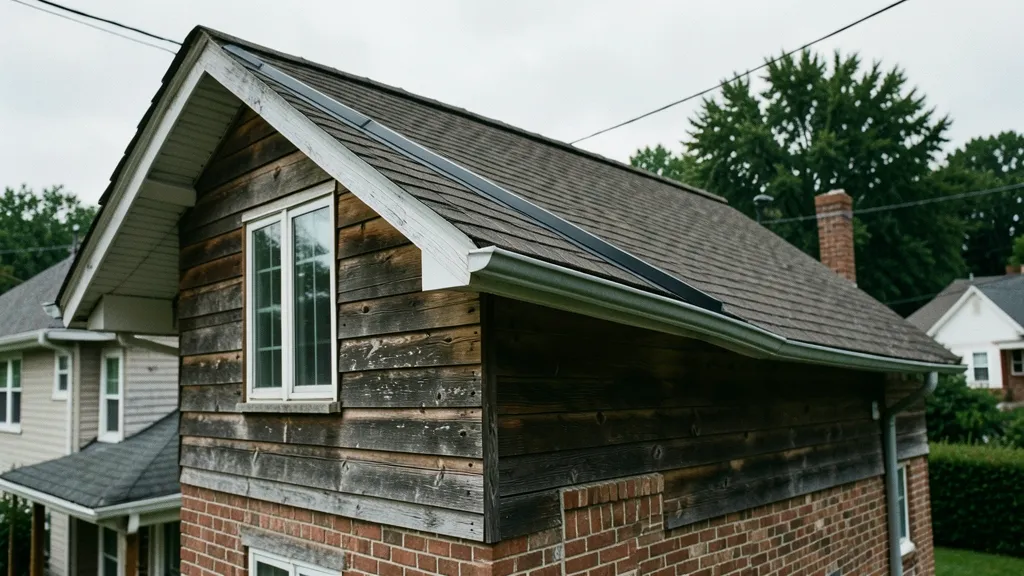
Hailstorms in our part of North Carolina don’t mess around. Even small hail can dent, crack, or dislodge gutters, leading to hidden water damage long after the storm passes. We’ve seen firsthand how overlooked gutter damage turns into costly repairs for homeowners in Clayton and nearby areas like Garner and Smithfield. Here’s how to catch the signs early.
Why Hail Hits Gutters Harder Than You Think
Hailstones may look small, but at high speeds, they act like tiny hammers. Aluminum gutters—common in Clayton homes—dent easily under impact, while vinyl can crack or shatter.
The angle of your roof and gutter pitch also matters. Steeper roofs can deflect hail, but shallow pitches leave gutters exposed. Downspouts take a beating too, especially at seams and elbows.
Visible Signs of Hail Damage to Gutters
Start with a ground-level inspection. Look for dents along the gutter runs, especially on the front lip or bottom. These are the most vulnerable spots during a storm.
Check for cracks or splits in the gutter trough. Even hairline fractures can widen over time, leading to leaks that damage fascia and soffit boards.
Inspect the downspouts for dents, bends, or separation at the joints. Hail can also loosen or dislodge downspout straps, causing them to sag or detach.
Hail damage on gutters often means your roof took a hit too. Granule loss on shingles above the gutters is a red flag—schedule a roof and gutter inspection if you see it.
Hidden Damage You Might Miss
Not all hail damage is obvious. Check for misaligned gutters—hail can knock them out of position, causing improper drainage and future overflow.
Look inside the gutters for granule buildup from shingles. This signals roof damage and can clog gutters, leading to water backup and potential ice dams in winter.
Test the gutter slope. If water pools in sections after rain, hail may have bent the hangers or fascia, disrupting the pitch. This often requires resealing or resloping.
Gutter Damage vs. Normal Wear: What’s the Difference?
Normal wear includes minor scratches or fading, but hail damage is more abrupt. Dents from hail are often clustered in one area, matching the storm’s path.
Rust spots can develop from both age and hail-induced paint chipping. However, fresh chips with exposed metal are a clear sign of recent impact.
| Sign | Hail Damage | Normal Wear |
|---|---|---|
| Appearance | Clustered dents, cracks, or fresh paint chips | Uniform scratches, fading, or minor rust |
| Location | Random, often on exposed sides | Evenly distributed along gutter runs |
| Timing | Appears suddenly after a storm | Develops gradually over years |
| Effect on Function | Can cause leaks, misalignment, or clogs | Mostly cosmetic unless severe |
When to Call a Pro for Gutter Repair or Replacement
If you spot multiple dents, cracks, or separated seams, it’s time for a professional assessment. Small dents might seem harmless, but they can lead to rust and leaks over time.
Sagging gutters or downspouts pulling away from the house signal structural damage. This often requires gutter repair or even partial replacement to restore proper drainage.
For homes in Clayton, Garner, or Wilson’s Mills, we recommend addressing damage before the next heavy rain. Delaying repairs can lead to water damage to your foundation, siding, or landscaping.
Consider gutter guards to reduce clogging and minimize hail impact. They’re especially useful in areas with frequent storms, like Archer Lodge or Selma.
What About Gutter Guards After a Hailstorm?
Gutter guards can take a beating too. Check for bent or detached screens, which can let debris in or cause water to overshoot the gutter entirely.
Some guards, like mesh or reverse-curve types, hold up better than others. If yours are damaged, we can help you choose the right replacement for your home’s needs.
Even with guards, hail can still damage the gutters underneath. Always inspect both the guards and the gutters themselves after a storm.
Storm Aftermath: Immediate Steps to Protect Your Gutters
After a hailstorm, clear any debris from your gutters and downspouts as soon as it’s safe. Clogs can worsen existing damage and lead to overflow.
Use a hose to test the flow. If water doesn’t drain properly, there may be hidden blockages or misalignment from the hail.
Post-Hailstorm Gutter Checklist
- Inspect gutters and downspouts for dents, cracks, or detachment
- Check for granule buildup or shingle damage above gutters
- Test gutter slope by running water with a hose
- Clear debris to prevent clogs and overflow
- Schedule a professional inspection if damage is extensive
How to Safely Inspect Your Gutters After a Hailstorm
A thorough inspection helps you catch damage early and avoid costly repairs.
- 1Start from the Ground
Walk around your home and visually inspect the gutters and downspouts. Use binoculars if needed to spot dents, cracks, or sagging.
- 2Check the Downspouts
Look for dents, bends, or separation at the seams. Tap the downspouts lightly—if they sound hollow or loose, they may be damaged.
- 3Inspect the Roof Line
From a safe distance, check for granule loss on shingles or misaligned gutters. These are signs of hail impact that can affect your gutter system.
- 4Test the Gutter Pitch
Use a hose to run water through the gutters. If water pools or overflows, the pitch may be off due to hail damage to hangers or fascia.
- 5Look for Hidden Damage
Climb a sturdy ladder (if safe) to check inside the gutters for cracks, granule buildup, or separated seams. Never lean the ladder against the gutters themselves.
Frequently Asked Questions
How soon after a hailstorm should I inspect my gutters in Clayton?
Inspect as soon as it’s safe—ideally within 24-48 hours. The sooner you catch damage, the easier it is to prevent secondary issues like leaks or clogs. If you’re unsure, request a quote for a professional inspection.
Can small hail cause serious gutter damage?
Yes. Even pea-sized hail can dent aluminum gutters or crack vinyl over time, especially in repeated storms. The cumulative effect weakens the system, leading to leaks or detachment.
Will my homeowners insurance cover hail damage to gutters?
It depends on your policy. Many standard policies cover hail damage, but deductibles and exclusions vary. Document the damage with photos and contact your insurer to confirm coverage before filing a claim.
Are seamless gutters more resistant to hail damage?
Seamless gutters have fewer weak points, so they’re less prone to leaks at seams after hail. However, they can still dent or crack. Material matters too—copper holds up better than aluminum or vinyl.
What’s the most common gutter damage you see after hail in Clayton?
Dents on the front lip of gutters and misaligned downspouts are the most frequent. We also see a lot of granule buildup in gutters, which signals roof damage that needs addressing.
Do I need to replace my gutters if they’re dented?
Not always. Minor dents can often be repaired or left alone if they don’t affect drainage. However, deep dents, cracks, or sagging usually require section replacement or full gutter repair to restore function.